- Define emergency, urgent, and routine maintenance categories to prioritize repairs and control after-hours expenses.
- Establish relationships with qualified vendors who can respond to plumbing, electrical, HVAC, and storm-related emergencies.
- Set clear spending limits and authorization procedures so critical repairs aren't delayed while waiting for owner approval.
- Review insurance coverage and prepare for Florida's hurricane season to reduce the financial impact of property damage.
- Schedule preventive maintenance and document repair requests to identify recurring problems and support better property management decisions.
It’s 11 p.m. on a Saturday, and your tenant reports a burst pipe, a failed air conditioner during a Florida heat wave, or a gas smell in the kitchen. Is it an emergency? Who responds, and who pays?
For rental owners in Daytona Beach, Port Orange, Ormond Beach, and throughout Volusia County, understanding emergency maintenance helps protect tenants, limit property damage, and reduce liability.
This guide from Sun-Pro Realty and Management explains how to distinguish emergencies from routine repairs, establish a response plan, and manage maintenance responsibilities. It provides general information, not legal advice.
Verify current Florida laws and local requirements with a qualified professional.
We Make Sure Your Rental is Priced to Occupy
Why Emergency Definitions Matter
Treating every repair as an emergency increases after-hours costs and strains vendor relationships. Delaying a genuine emergency can endanger occupants and cause significant property damage.
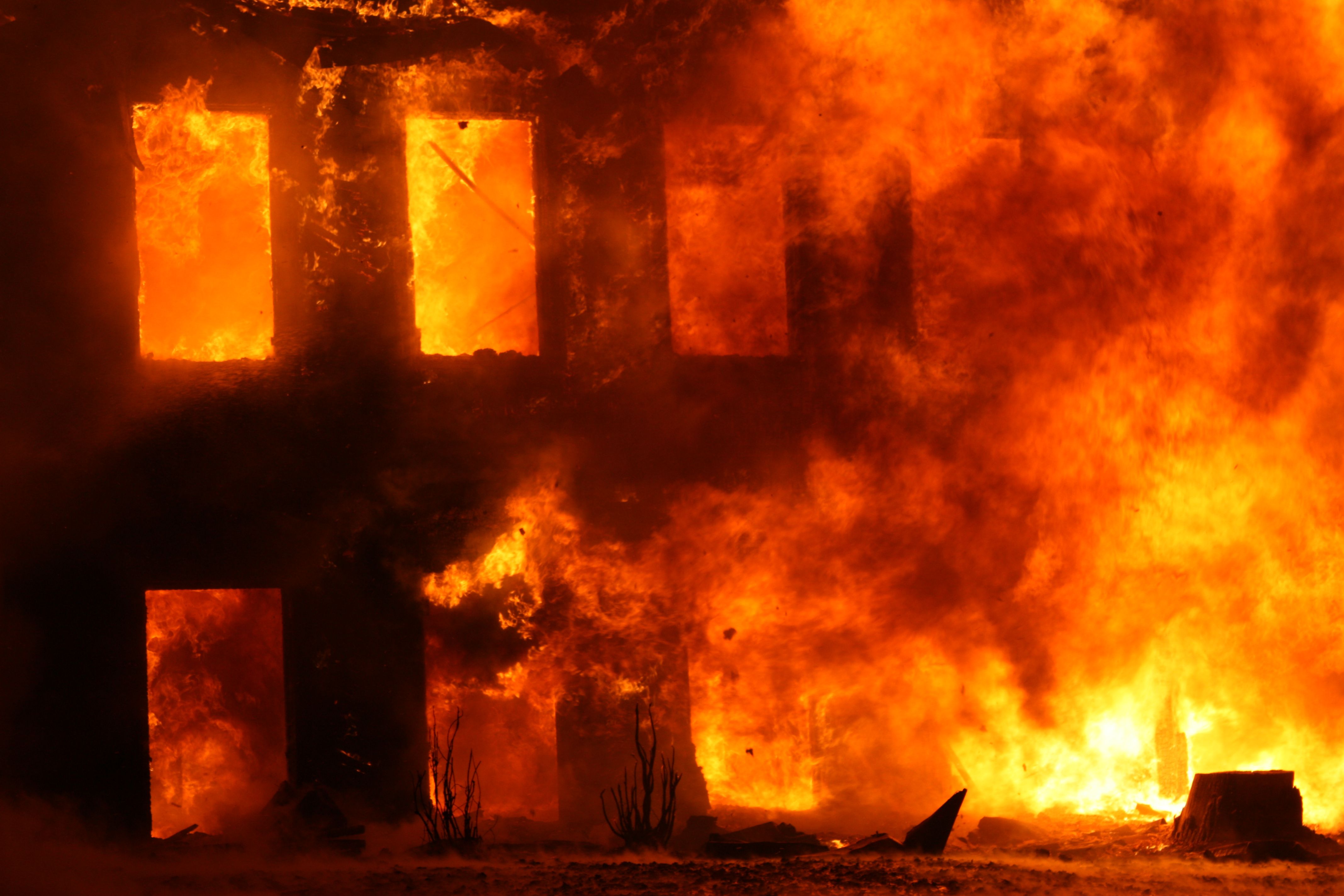
Written guidelines help tenants understand how to report problems and ensure maintenance requests receive the appropriate response.
What Counts as a Maintenance Emergency?
An emergency threatens occupants’ health or safety or risks serious property damage if left unaddressed. If waiting until the next business day could cause injury or significant damage, treat the situation as an emergency.
True Emergencies
Common examples include:
- Fire, smoke, or gas leaks: Evacuate when necessary and call 911 or the appropriate emergency service before contacting the property manager.
- Carbon monoxide alarms: Leave the property and contact emergency services.
- Major water leaks or flooding: Shut off the water if safe and arrange immediate assistance.
- Sewage backups: Address these promptly because of the health risks.
- Electrical hazards: Sparking outlets, exposed wiring, or burning smells require immediate attention.
- Dangerous temperatures: Loss of heat during extreme cold or cooling during extreme heat may threaten occupant safety.
- Structural or roof damage: Immediate action may be necessary if the property is unsafe or exposed to the elements.
- Security breaches: Broken doors or windows that leave the property unsecured require prompt attention .
- Complete loss of water: A whole-house water outage may require urgent investigation.
The Gray Area: Air Conditioning in Florida
A failed air conditioner during a Florida summer can create dangerous indoor temperatures, particularly for vulnerable occupants. Whether it qualifies as an emergency depends on the conditions, occupant needs, lease terms, and applicable requirements.
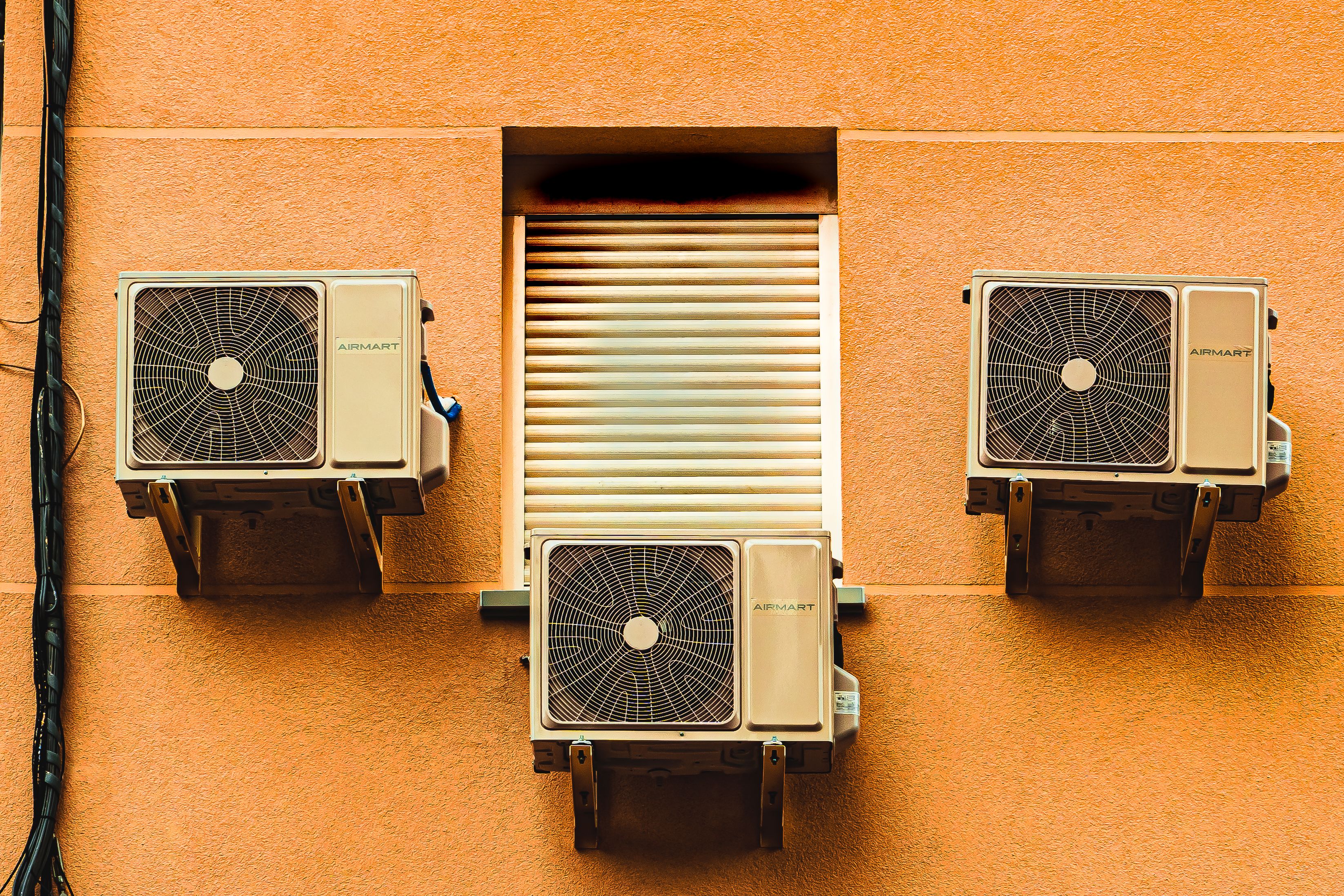
Establish a clear response policy for cooling failures and communicate expectations to tenants in advance.
Urgent Repairs vs. Routine Maintenance
Not every inconvenient repair requires an after-hours visit.
Urgent but generally nonemergency issues include:
- A broken refrigerator when no immediate safety hazard exists.
- One unusable toilet when another is available.
- A water heater that stops working without leaking.
- A broken dishwasher or stove burner.
- A minor roof leak that can be safely contained until the next day.
- A stiff lock that still secures the property.
These issues generally warrant prompt attention, often within one or two business days, depending on the circumstances and applicable requirements.
Routine maintenance includes dripping faucets, cosmetic problems, minor sticking doors, cabinet repairs, and burned-out bulbs. Schedule these through normal maintenance procedures.
When assessing a report, ask three questions: Is anyone’s health or safety at risk? Is damage spreading? Can the property remain safely occupied and secured until morning?
Read More About Our Property Management Services
Build an Emergency Response Plan
Prepare a written plan before problems occur. Include these essentials:
- Define priorities: Explain which issues qualify as emergencies, urgent repairs, or routine maintenance.You can include this information in your lease document .
- Provide reporting instructions: Give tenants a dedicated after-hours contact number and clear reporting procedures.
- Share basic safety guidance: Explain how to locate the main water shutoff and electrical panel and what to do during a suspected gas leak.
- Arrange qualified vendors: Establish relationships with plumbers, electricians, HVAC technicians, roofers, and water-mitigation professionals who offer emergency service.
- Set spending authority: Determine who can approve emergency repairs without waiting for the owner.
- Document every incident: Record when the problem was reported, the response, repair work, and resolution.

Review realistic scenarios with your management team and vendors, including burst pipes, failed air conditioning, and storm damage. Decide who responds, who authorizes expenses, and how tenants receive updates.
Who Pays for Emergency Repairs?
Responsibility depends on the cause of the damage, the lease, and applicable laws . Landlords generally handle repairs to property systems and structures for which they are responsible, including plumbing, electrical systems, and roofing. Tenants may be responsible for damage caused by negligence or misuse.
Document the circumstances and follow the lease and applicable legal requirements before charging a tenant. Review your insurance coverage and claim-reporting procedures, since prompt notification may be important.
Florida-Specific Maintenance Considerations
Hurricanes, tropical storms, heavy rain, humidity, and salt air create additional maintenance risks across Volusia County. Roof damage and flooding can lead to water intrusion and mold growth, while coastal conditions accelerate exterior wear.
Prepare for storm season, communicate with tenants before severe weather, and understand your wind and flood insurance coverage. After a storm, document damage, report claims promptly, and prioritize safety.
Preventive maintenance can also reduce emergencies. Schedule HVAC servicing, inspect water heaters and supply lines, clear gutters, test smoke and carbon monoxide detectors, and replace aging components before they fail. Encourage tenants to report small problems early.
Legal and Habitability Considerations
Florida law establishes landlord obligations concerning applicable building, housing, and health codes and certain property systems. Tenants may have legal remedies when required repairs are not completed after proper notice.
Keep accurate records of maintenance requests, communications , and completed repairs. Because obligations depend on the circumstances and current law, consult a qualified professional when necessary.
How a Professional Property Manager Helps
A professional manager can coordinate maintenance requests, communicate with tenants, and work with qualified local vendors to address emergencies and routine repairs.
Sun-Pro Realty and Management serves Daytona Beach, Port Orange, Ormond Beach, South Daytona, Holly Hill, New Smyrna Beach, Edgewater, and surrounding communities.
Its investor-focused approach includes ongoing and emergency maintenance coordination, along with owner protections such as a satisfaction guarantee with cancellation on 30 days’ notice without fees, pet damage coverage up to $3,000, and eviction protection covering up to $2,000 in filing-related court costs.
Contact Us Today
Frequently Asked Questions About Emergency Maintenance
How Much Should Landlords Budget for Emergency Repairs?
Set aside a maintenance reserve based on your property's age, condition, and major systems. Review past expenses and estimate potential repair or replacement costs for items such as HVAC equipment, plumbing, and roofing. Revisit your budget annually to account for changing property needs and unexpected expenses.
Can Landlords Require Approval Before Emergency Repairs Begin?
Landlords can establish spending limits and repair approval procedures, but requiring approval for every expense may delay critical work.
Give your property manager clear written authority to address urgent safety hazards and prevent significant damage. Define spending limits, documentation requirements, and when owner notification is necessary.
How Can Emergency Maintenance Affect Rental Property Insurance Claims?
Emergency repairs may help limit further damage, but coverage depends on your policy and the circumstances. Understand your insurer's notification requirements, deductibles, and exclusions before a loss occurs.
After an incident, photograph the damage, retain invoices, and document repairs. Contact your insurer promptly when required by your policy.
What Maintenance Records Should Rental Property Owners Keep?
Keep records of maintenance requests, repair approvals, vendor invoices, completed work, and related photographs.
Document dates, actions taken, and recommended follow-up. These records help identify recurring problems, plan replacements, track expenses, and support insurance claims or dispute resolution. Follow applicable record-retention requirements.
What Should Florida Landlords Prioritize Before Hurricane Season?
Inspect roofs, gutters, drainage, exterior openings, and vulnerable equipment before hurricane season. Review wind and flood insurance coverage, deductibles, and claim procedures.
Establish a plan for communicating with tenants and coordinating repairs after severe weather. Coastal properties may also need additional attention to corrosion and moisture damage.
What Are Florida Landlords' Legal Responsibilities for Emergency Repairs?
Florida law establishes landlord maintenance obligations involving applicable codes and certain property systems. Specific responsibilities depend on the property, lease, and circumstances. Document repair requests and responses, address potential safety hazards promptly, and consult a qualified Florida attorney if you're uncertain about your legal obligations.
How Can a Property Manager Help Control Emergency Maintenance Costs?
A property manager can coordinate repairs, communicate with vendors, oversee approved work, and track expenses. Sun-Pro Realty and Management offers routine and emergency maintenance coordination through local professionals.
Before hiring a manager, review the management agreement for repair authorization limits, additional charges, vendor arrangements, and expense reporting procedures.